The eastern edge of the 209 is built on top of the Gold Rush — literally. Highway 49 stitches together towns that boomed, burned, rebuilt, and half-emptied over 175 years, leaving behind courthouse squares, saloons with original floorboards, and more than a few stories that don't have tidy explanations. Some of it is preserved history you can walk through in an afternoon. Some of it checks into Room 7 and never leaves. This is the 209's strange, spooky, and completely real Gold Country — every legend below is documented, every place is visitable.
The Hotelier Who Never Checked Out
Hotel Léger
George Léger arrived in Mokelumne Hill around 1851 and ran his hotel — beginning as a wood-framed tent called the Hotel de France — until 1879, when he was found dead in the building. The hotel survived fires, rebuilds, and the lawless years when Moke Hill was the Calaveras County seat; the county courthouse sat right next door and was later absorbed into the hotel itself.
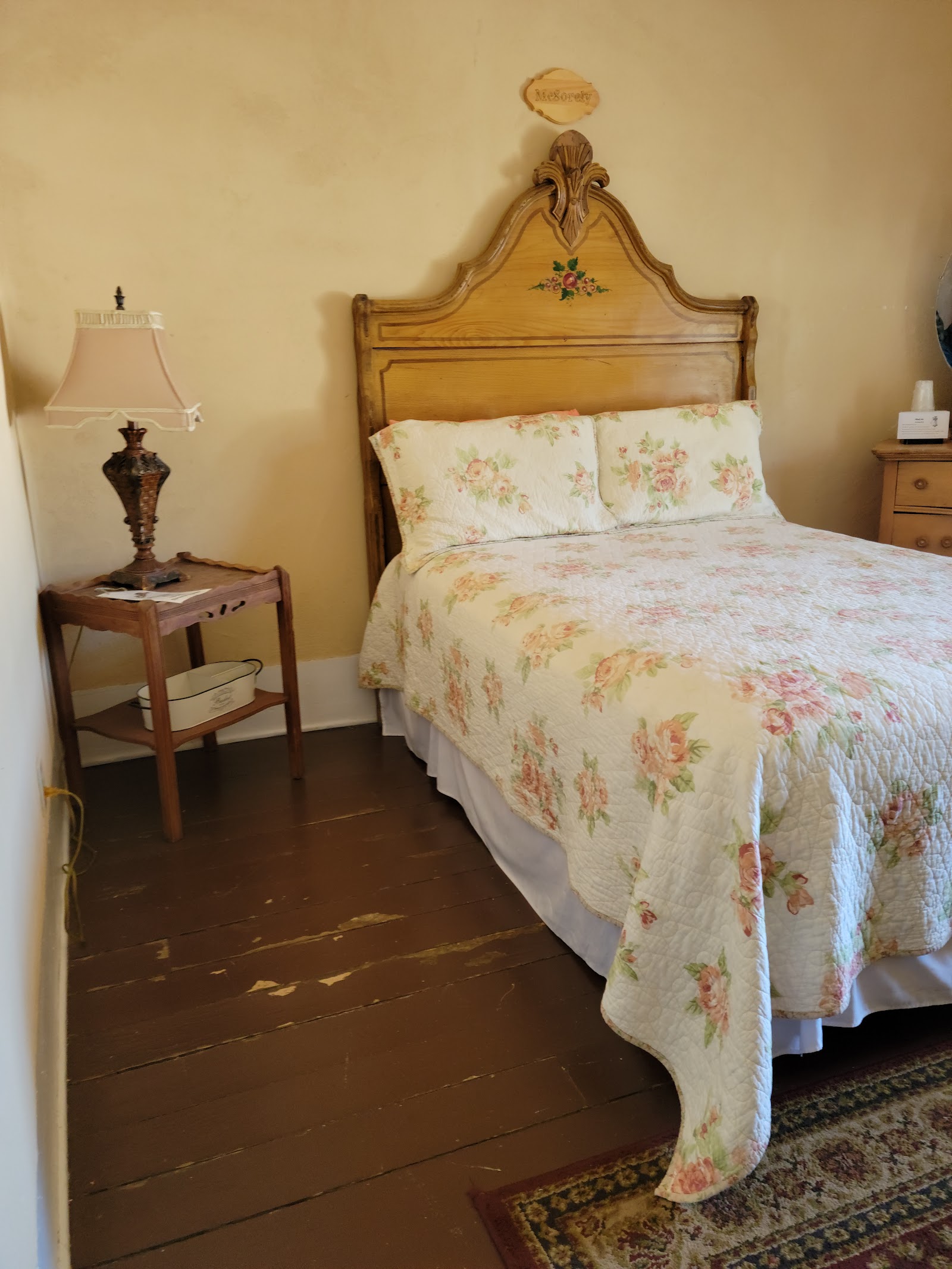
And then the stories started. Guests who ask for Room 7 have heard the legend: a rocking chair that moves on its own, phantom footsteps in the halls, apparitions in a mirror. Visitors report a woman crying and a young girl seen sitting by the fireplace. The hauntings were enough to bring Travel Channel's Ghost Adventures to town — their verdict on the resident spirits: not all of them are friendly.
The best part? It's still a working hotel, restaurant, and saloon — one already featured on our dining page. You can eat an excellent dinner in a Gold Rush saloon, then decide how brave you're feeling about staying the night upstairs.
👻 Ask about Room 7 — George's old room, and the one guests specifically request.
📍 Open in MapsThe 1859 Historic National Hotel
Built in 1859 and operating ever since, the National is one of California's oldest continuously running hotels — badly damaged by fires in 1901 and 1927, rebuilt both times, still serving. Its resident ghost is "Flo," and the staff's official guidance is to simply say hello if you meet her. She's considered friendly, though guests over the years have reported slamming doors and clothing mysteriously dumped from suitcases onto the floor.
Downstairs it's a legitimately good restaurant and saloon in the heart of Jamestown — also on our dining page — with antique-furnished rooms and a two-person clawfoot soaking tub upstairs.
👻 US News once ranked it among America's spookiest hotels. Flo is a selling point, not a warning.
📍 Open in MapsThe Cave That Moaned
Moaning Caverns
In December 1851, the Daily Alta California described a deep, dark cavern discovered in Calaveras County. Miners who lowered themselves down on an ore bucket claimed to find skeletons at the bottom. The cave's name comes from the eerie moaning sound that once echoed from its entrance — a sound that, according to the legends, lured people toward the opening. Archaeologists later confirmed the cave held human remains, some estimated at up to 12,000 years old; research suggests it was used as a burial site by prehistoric peoples.
Here's the eerie footnote: when the entrance was widened for public tours, the acoustics changed — and the moaning stopped. The cave went quiet the moment people started coming in numbers.
Today it's a family-friendly adventure park — the Spiral Chamber Tour descends 165 feet into California's largest single cave chamber, a constant 61 degrees. We covered it in our beat-the-heat guide, but knowing what the miners found down there adds a certain something to the descent.
👻 The spiral staircase you descend was built in 1922 — from parts of a WWI battleship.
📍 Open in MapsThe Gentleman Bandit
Black Bart's Jail Cell — Calaveras County Museum
Between 1875 and 1883, a polite, well-dressed man robbed 28 stagecoaches across Northern California — never firing a shot, occasionally leaving poems behind signed "Black Bart, the Po8." His first and last robberies both happened at Funk Hill, above the Stanislaus River in Calaveras County. When Wells Fargo detectives finally caught up with him, Black Bart turned out to be Charles E. Boles, a mild-mannered San Francisco gentleman.
He was tried in the San Andreas courthouse and sentenced to six years in San Quentin. The courtroom and the jail cell where he was held still stand today as part of the Calaveras County Museum Complex — you can walk into the actual cell. The museum also houses an outstanding Mi-Wok exhibit with artifacts and photographs of the people who lived here millennia before the gold.
👻 After prison, Boles walked out of a San Francisco hotel in 1888 and vanished. No confirmed trace of him was ever found.
📍 Open in MapsLiving History — The Towns That Refused to Die
Not every Gold Rush town became a ghost. A few froze in time instead, and two of the best-preserved are an easy 209 day trip.
Columbia State Historic Park
A real Gold Rush town preserved whole — original brick buildings, working blacksmith, stagecoach rides, and shopkeepers in period dress. Admission and parking are free, exhibits run 10 to 5 in summer, and on Gold Rush Days (the second Saturday of every month) costumed docents lead hands-on activities and kids can pan for real gold.
💡 The candy kitchen and the stagecoach are the two things nobody regrets.
📍 Open in MapsRailtown 1897 State Historic Park
The "Movie Railroad" — home of Sierra No. 3, the steam locomotive that's appeared in decades of film and TV, including Petticoat Junction's iconic water tank. Weekend excursion trains run April through October: a six-mile, 45-minute ride through the foothills behind a working piece of the 19th century. The roundhouse tour puts you inside an authentic, still-functioning 1897 railway shop.
💡 Ride the train, then walk Main Street Jamestown and have dinner where Flo lives. Full Gold Country day, done right.
📍 Open in MapsThe Route
You can hit all of this in one ambitious day or a perfect overnight: start in San Andreas at Black Bart's cell, lunch in Mokelumne Hill at the Léger, descend into Moaning Caverns in the afternoon heat, then land in Columbia or Jamestown by evening. Stay the night at the National — say hi to Flo — and catch the steam train in the morning. It pairs beautifully with our Stockton-to-Sonora road trip route, and if you'd rather chase wine than ghosts, Murphys is right there.
The Gold Rush ended 170 years ago. In most of California it survives as plaques and street names. In the 209, it's a hotel room you can sleep in, a jail cell you can stand in, and a cave that used to moan. History here isn't behind glass — it's still breathing. Mostly.
Explore the Best of the 209
350+ local businesses, restaurants, outdoor spots, and hidden gems across 20+ cities in the 209.
Explore the 209 →