If you mention the 209 to someone in San Francisco or Los Angeles, you'll get one of three responses: a blank stare, a comment about the heat, or a joke about Stockton. What you won't get is respect. The 209 area code — sprawling across San Joaquin, Stanislaus, Calaveras, and Tuolumne counties — is the most consistently dismissed region in a state that's dismissive of anything that isn't coastal. It's flyover country in a state with no flyovers. And that, frankly, is the biggest mistake California keeps making.
The Numbers Don't Lie
Before we get to the culture and the food and the sheer quality of life argument, let's talk about what the 209 actually is on paper — because most people have no idea.
The 209 produces a significant portion of the food that feeds California — and much of the nation. The almonds on your desk, the peaches in your smoothie, the wine in your glass — there's a decent chance it came from a farm within 30 miles of Stockton or Modesto. This is not a coincidence. The San Joaquin Valley has some of the most fertile soil on Earth, and the people who farm it have been doing it for generations.
The Wine Is World-Class. Nobody Cares.
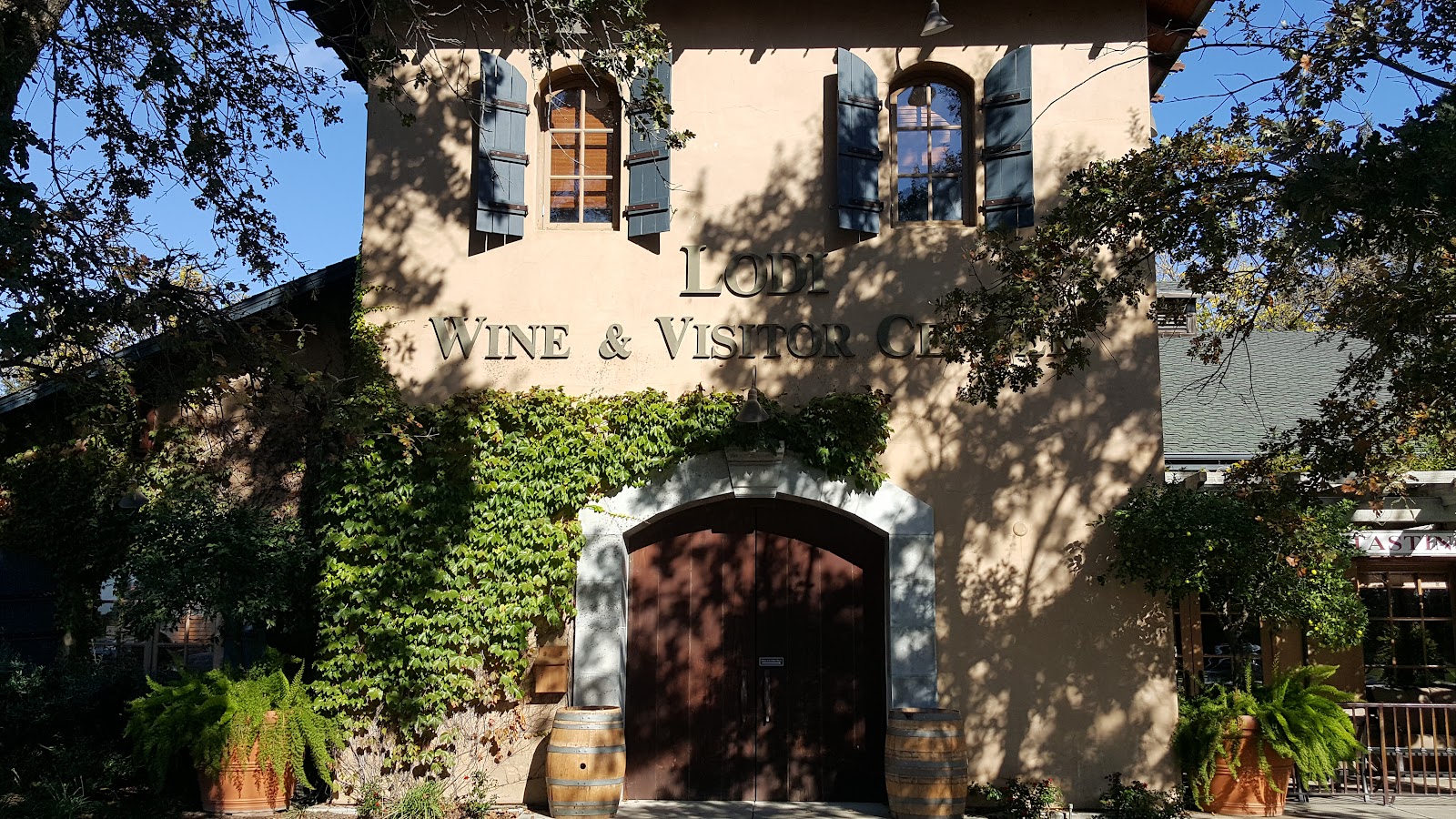
Lodi is the Zinfandel Capital of the World. Read that again. Not "one of the better wine regions" — the capital. The definitive source. The place with vines planted in the 1880s and 1890s, still producing fruit, still making wine that blind taste testers consistently rate above bottles that cost three times as much.
Golf Digest rated Copper Valley near Copperopolis 4.5 stars — only Pebble Beach and Spyglass Hill rate higher in California. You can book a tee time there for what a Bay Area restaurant charges for a mediocre brunch. Nobody talks about it because Copperopolis doesn't have a PR firm.
Murphys' Main Street in Calaveras County has more walkable tasting rooms per block than most of Napa. Zero reservations required. Winemakers actually pour your glass. You can walk between five tasting rooms in flip-flops and nobody gives you a look. This is what wine tasting was supposed to be before it became a status performance.
And yet somehow, people drive through the 209 on their way to Yosemite and never stop.
The Food Is Better Than You Think
The 209's food scene doesn't chase trends. It doesn't have to. When you live next to the farms, the ingredients are just better. Tomatoes that taste like tomatoes. Peaches that drip on your shirt. Almonds still warm from the harvest. The best Mexican food in California isn't in Los Angeles — it's on a truck in Stockton that closes when they run out, takes cash only, and has been at the same corner since before you were born.
El Ranchito in Riverbank has been serving the same family recipes since 1977. Nearly 50 years of the same homemade salsa, the same margaritas, the same generous portions. The Fruit Bowl on Highway 88 has been run by the Lucchetti family since 1947 — 79 years of the same stand, 65 varieties of peaches, biscotti made from scratch because the family is Italian and that's just what you do.
This is what food culture looks like when it's built over generations instead of assembled for Instagram.
The Outdoors Are Absurd
A 209 resident is within reasonable drive of all of the following:
The Sacramento-San Joaquin Delta — 1,000 miles of waterways, world-class bass fishing, houseboating, kayaking through tule islands. The kind of place where a weekend costs $40 for fuel and a fishing license and feels like a vacation.
The Sierra Nevada foothills — Calaveras Big Trees (ancient giant sequoias), Knights Ferry (historic covered bridge and boulder-strewn river trail), Arnold Rim Trail (waterfall hike to the "Top of the World"), New Melones Lake (12,500 acres, trophy kokanee, uncrowded).
Gold Country — Murphys, Sonora, Jamestown. Actual Gold Rush towns with actual 150-year-old buildings, actual wineries, actual history. Not a theme park version of history — the real places where it happened.
The 209 also sits within two hours of Yosemite. Most 209 residents have been to Yosemite more times than people who live in San Francisco — because they actually go instead of just talking about going.
The People Know Who They Are
There's a groundedness to 209 people that's hard to describe and impossible to manufacture. It comes from living in a place where nobody is performing for an audience. Nobody moves to Stockton to be seen. Nobody opens a restaurant in Modesto hoping to get written up in a national magazine. People build businesses here because they want to serve their community, not because they're building a brand.
The CrossFit gym owner who coaches at 5 AM because people need to get to work by 7. The barber who knows your name by your third visit and still charges the same price he charged five years ago. The family that's been running the same peach stand for eighty years because the fruit is good and people show up. This is what community looks like before it gets commodified.
The Price of Living
The median home price in San Francisco is over $1.3 million. In Stockton, it's under $400,000. In Modesto, under $380,000. In Lodi, you can still buy a house with a yard, in a good neighborhood, with walkable downtown access, for what a San Francisco down payment costs.
The people who figured this out first are the ones commuting to the Bay Area from Tracy and Lathrop — paying 209 mortgage payments while cashing Bay Area paychecks. They get criticized for "ruining" the 209 by driving up prices. But you can't really blame them. Once you actually explore what's here, the question isn't why people move to the 209. The question is why they ever left.
What We're Not Saying
This isn't a piece that pretends the 209 has no problems. Stockton has struggled with poverty, crime, and economic inequality in ways that are real and ongoing. The Central Valley has some of the worst air quality in the nation during summer. The heat is legitimately brutal — 110-degree July days are not a character-building exercise, they're a public health concern. Infrastructure, education, healthcare access — these are real challenges that real communities are working through.
But "imperfect" and "underrated" aren't mutually exclusive. Every great place has real problems. The difference is whether it also has real character, real community, real food, real land, and real people — and the 209 has all of those in abundance.
The Bottom Line
The 209 is underrated because it doesn't market itself very well. It doesn't have to. The people who know, know. The people who stumble into a Lodi wine tasting on a Tuesday afternoon and end up staying for dinner and driving home sunburned and happy — they become evangelists. The people who camp at New Melones and watch stars that aren't visible from any city in the state come back every year. The people who eat that first real taco truck asada taco understand immediately what they've been missing.
The 209 doesn't need your validation. But it deserves your attention. And if you're reading this because you already live here — you already know. This is home, and home is better than they think.
Explore the Best of the 209
285+ local businesses, restaurants, outdoor spots, and hidden gems across 20+ cities in the 209.
Explore the 209 →